Emergency garden clearance after fallen tree Gipsy Hill
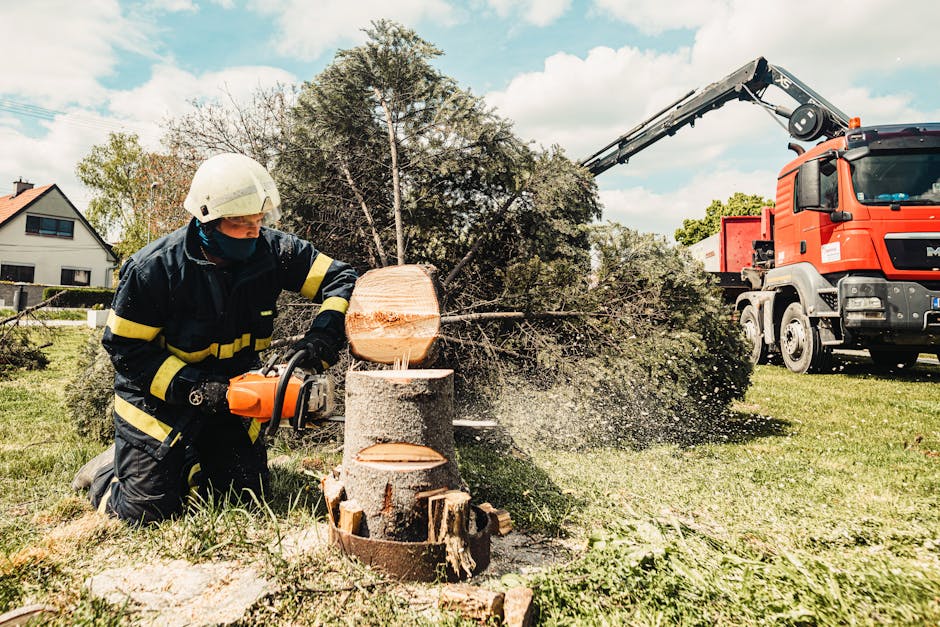
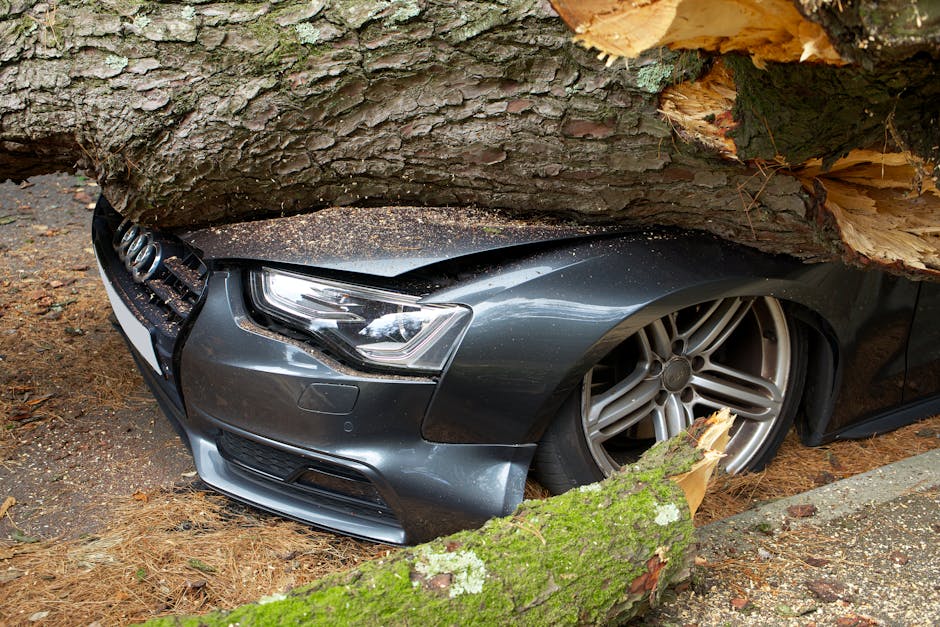
If a tree has come down in your garden, the scene can feel a bit unreal at first. Broken branches, crushed fencing, scattered soil, maybe a half-buried shed panel, and that heavy, sharp smell of fresh wood in the air. In that moment, Emergency garden clearance after fallen tree Gipsy Hill is not just about tidying up. It is about making the space safe, preventing more damage, and getting your outdoor area back under control without guessing your way through a messy situation.
This guide explains what emergency clearance involves, how the process works, what to do first, and how to avoid the common mistakes that turn a bad day into a worse one. If you are in Gipsy Hill and dealing with fallen tree debris, this is the practical stuff you actually need.
Contents
- Why Emergency garden clearance after fallen tree Gipsy Hill matters
- How Emergency garden clearance after fallen tree Gipsy Hill works
- Key benefits and practical advantages
- Who this is for and when it makes sense
- Step-by-step guidance
- Expert tips for better results
- Common mistakes to avoid
- Tools, resources and recommendations
- Law, compliance, standards, or best practice
- Options, methods, or comparison table
- Case study or real-world example
- Practical checklist
- Conclusion
- Frequently asked questions
Why Emergency garden clearance after fallen tree Gipsy Hill Matters
When a tree falls into a garden, the obvious problem is the damage you can see. The less obvious problem is everything else around it. A trunk leaning against a fence can shift without warning. A split limb can drop later. Wet timber gets heavier. Roots can upheave paving. And if the tree has damaged a boundary, a greenhouse, or a deck, the risks keep spreading.
That is why emergency clearance matters so much. You are not just removing green waste. You are dealing with a safety issue, a property issue, and often a neighbour issue too. In a built-up area like Gipsy Hill, access can be tight, gardens are often shared by narrow side returns, and one awkward tree fall can block the whole space. You do not want to drag branches around blindly for an hour and realise the main stem is still under tension. That is how people get hurt. Simple as that.
There is also the stress factor. A fallen tree is messy, noisy, and disruptive. It can stop children using the garden, make it difficult to check fences or pathways, and leave you feeling like the whole place has been flipped upside down. Fast, structured clearance brings order back quickly. That calm matters.
How Emergency garden clearance after fallen tree Gipsy Hill Works
Emergency garden clearance usually follows a clear sequence. The aim is to make the area safe first, then remove debris in a controlled way, then assess what else needs attention. It sounds straightforward, but the order really matters.
1. Initial safety assessment
The first job is to look for immediate hazards: unstable branches, exposed roots, damaged fences, hanging timber, slipped paving, broken glass, and any signs the tree may still be moving. If power lines, gas fittings, or structural damage are involved, the situation moves beyond simple garden clearance. In that case, the work needs extra caution and the right specialist input.
2. Access planning
Next comes the practical side. Where can equipment enter? Is there enough room to carry timber out safely? Can the garden be reached through a side gate, or will materials need to pass through the property? In smaller Gipsy Hill gardens, this stage can save a lot of time. Planning access properly means less dragging, less unnecessary damage, and fewer surprises halfway through the job.
3. Controlled cutting and removal
Branches are usually cut down in manageable sections. Larger limbs may need to be dismantled rather than lifted whole. This is where experience makes a real difference. Fallen trees can be under compression or tension, and the wrong cut can cause a branch to spring or roll. Not ideal. Not even close.
4. Debris collection and sorting
Once the main danger is dealt with, the team removes the remaining garden waste: wood, leaves, twigs, splinters, soil scatter, broken planters, and damaged soft landscaping. If you already use garden clearance services, this stage often blends into a broader tidy-up, which is useful if the tree fall has left the whole garden looking neglected.
5. Site tidy and follow-up recommendations
The final step is a proper tidy-up. That might mean sweeping paths, checking for protruding roots, removing snag points from broken fencing, or recommending follow-on work such as tree lopping and removal if the remaining tree is compromised. In some cases, a short-term tidy is enough. In others, the garden needs more rehabilitation before it is safe or usable again.
Key Benefits and Practical Advantages
There are a few clear benefits to dealing with a fallen tree quickly and properly, and they go beyond the obvious "it looks better".
- Safety is restored sooner. Loose branches, jagged stumps, and hidden debris are common trip or cut hazards.
- More damage is prevented. The longer heavy timber sits on fences, patios, or planting beds, the more likely the damage becomes permanent.
- Access opens back up. You can use paths, sheds, washing lines, and garden doors again without weaving around debris.
- Waste is removed efficiently. Instead of filling your own bins over several weeks, clearance teams can handle the volume in one organised visit.
- The garden recovers faster. Once the mess is removed, you can see what needs replanting, repairing, or reshaping.
There is another benefit people often miss: a tidy, controlled clearance helps you think clearly. When the garden is full of timber, the job feels bigger than it is. Once the bulk is gone, decisions get easier. Do you want to repair the lawn? Rebuild the border? Replace a fence panel? You can actually see the choices then.
Who This Is For and When It Makes Sense
This kind of service is for anyone whose garden has been affected by a fallen tree, storm damage, or sudden branch collapse. That includes homeowners, landlords, tenants with permission to arrange work, property managers, and people dealing with a neighbour's tree that has come down into their space.
It makes sense to book emergency clearance when:
- a tree or large limb is blocking access to the garden
- branches are resting on fences, sheds, greenhouses, or paving
- there are sharp, unstable, or hanging sections left behind
- the site is too awkward or unsafe to clear by hand
- you need the garden made safe before repair work can begin
- the debris load is too much for ordinary household waste disposal
If the tree fall has also damaged planting, turf, or hard landscaping, the next phase may involve broader landscaping or even a more detailed landscape gardening plan. Not every job needs that, but some do. Truth be told, once a mature tree has come down, the garden layout can change quite a bit.
Step-by-Step Guidance
If you are dealing with a fallen tree right now, here is the practical sequence to follow. Keep it calm. Keep it simple.
- Keep people away from the hazard. Do not let children, pets, or visitors near unstable timber or broken branches.
- Check for urgent danger. If anything is hanging, shifting, sparking, or pressing against a building, stop and treat it as high risk.
- Look at the full footprint of the damage. Fallen trees often affect more than one area: lawns, borders, fences, sheds, decking, and access paths.
- Document the scene. A few clear photos can help if you need to discuss repairs, insurance, or neighbour boundaries later on.
- Clear only the safest light debris if you can do it without risk. Loose leaves and twigs are one thing. A loaded branch under tension is another.
- Arrange professional clearance for the heavy or unstable material. This is the point where most people are better off getting help.
- Plan the follow-up. Once the debris is gone, decide whether you need fence repairs, stump work, re-turfing, or ongoing maintenance.
A useful habit here: walk the garden edge first, not the centre. In my experience, the perimeter tells you a lot. You spot the cracked panel, the lifted edging, the bent trellis. All the little signs that matter.
Expert Tips for Better Results
These are the things that make a clearance job smoother and safer, especially in a tight London garden where every metre counts.
- Don't rush the first move. The first branch you touch is often the wrong one if it is carrying tension.
- Work from the outside in. Clear loose material first so you can see the main obstruction clearly.
- Separate wood from green waste early. It makes disposal cleaner and reduces confusion on-site.
- Protect hard surfaces. If timber has dragged over paving or decking, check for scratches and lifted edges before you declare the job done.
- Watch for hidden damage to plants. A shrub that looks fine at noon can be flattened in one section and only show it later. Garden drama, basically.
- Think ahead to recovery. If the tree has opened up the canopy, a lawn or border may now get more light, which changes what will thrive there.
If the fallen tree has left you with a cluttered, tired-looking space, pairing the clear-up with garden maintenance can help prevent the same area from sliding back into mess again. The garden often needs a reset, not just a sweep.
Common Mistakes to Avoid
People usually make a fallen-tree situation worse in one of four ways.
- Trying to lift too much on their own. Heavy branches are awkward and can shift unexpectedly.
- Cutting without checking tension. A branch can spring, twist, or roll if it is still trapped under load.
- Ignoring the fence or structure beneath the tree. The visible mess may hide a much bigger repair issue.
- Leaving the site half-cleared for too long. The longer debris stays in place, the more it gets wet, heavier, and harder to remove.
There is also a sneaky mistake: assuming the visible damage is the only damage. It usually is not. You may have compacted soil, broken edging, disturbed roots, or crushed irrigation lines. Those are easy to miss when you are focused on the big trunk in the middle of the lawn.
Tools, Resources and Recommendations
A proper emergency clearance usually involves more than a saw and a pair of gloves. The right tools depend on the scale of the fall, but the core kit often includes cutting equipment, loppers, securing straps, lifting gear, tarpaulins, wheelbarrows, rakes, and protective equipment. The exact setup varies a lot, and it should. A tiny patio garden and a larger rear plot need different approaches.
For homeowners, the most useful "resource" is often a good decision tree, no pun intended:
- If the tree is unstable, keep away.
- If the debris is small and harmless, collect it carefully.
- If the trunk or large limbs are trapped, call in experienced help.
- If repairs are needed after clearance, deal with them in a sensible order.
It is also worth checking whether the fallen tree has affected fencing, decking, or raised structures. If timber has shifted near outdoor seating or a platform, you may need to look at decking services once the site is clear. That sort of knock-on effect is common after a storm or high winds.
Law, Compliance, Standards, or Best Practice
For this kind of work, the main point is not legal jargon. It is duty of care and sensible practice. Anyone arranging or carrying out clearance should avoid putting people at risk, and should take care not to cause unnecessary damage to neighbouring property, shared boundaries, or access routes.
In the UK, good practice usually means using appropriate protective equipment, keeping work areas controlled, and handling waste responsibly. If the tree came from a boundary line or shared property, it is wise to check ownership and speak to the relevant neighbour calmly before making assumptions. That part can be awkward, yes, but it is better than arguing after the fact.
Responsible disposal matters too. Branches, trunks, leaves, and mixed garden waste should be sorted and removed in a way that supports recycling where possible. If sustainability matters to you, a provider with a clear approach to recycling and sustainability is worth paying attention to. It is one of those details that tends to tell you a lot about the operation overall.
You should also expect clear service terms, fair payment handling, and sensible safety standards. Pages like health and safety policy, insurance and safety, payment and security, and terms and conditions are useful trust signals when you are deciding who to use. Not exciting reading, granted. But important.
Options, Methods, or Comparison Table
There is more than one way to deal with a fallen tree garden problem. The right method depends on scale, risk, and how much of the tree is still unstable.
| Approach | Best for | Pros | Limitations |
|---|---|---|---|
| DIY light debris clear-up | Small twigs, leaves, and harmless surface mess | Quick, low cost, immediate tidy-up | Not suitable for heavy timber or tensioned branches |
| Professional emergency clearance | Large fallen trees, blocked access, safety risks | Safer, faster, more controlled, better for awkward access | Higher cost than doing a bit yourself |
| Clearance plus repair planning | Gardens with fence, turf, decking, or layout damage | Helps restore the whole space properly | Takes longer and may involve several stages |
There is no prize for being heroic with a saw in a tight space. If the tree is big, cracked, or sitting under pressure, the sensible method is the professional one. End of story, really.
Case Study or Real-World Example
Here is a realistic example from the sort of job that comes up after stormy weather in South London. A back garden in Gipsy Hill had a mature tree split near the base during strong wind. The trunk had fallen across a lawn, crushed a border edge, and left several heavy branches leaning into a fence panel. The access path was narrow, and the garden contained pots, a compost bin, and a small shed. Classic awkward setup.
The first priority was to make the space safe and identify which parts of the tree could move. Once that was done, the debris was cut into smaller sections and removed in stages so the side access was not blocked. After the main timber was gone, the team cleared broken branches, tidied the lawn, and checked the fence line for damage that had not been obvious at first glance.
The useful part of that job was not just the speed. It was the sequence. Safety first, then controlled removal, then proper tidying, then a look at what needed to happen next. The garden did not need a dramatic transformation. It needed calm, ordered recovery. That is often the real win.
Practical Checklist
Use this checklist if you want to stay organised after a tree has fallen in your garden.
- Keep people and pets away from the affected area.
- Check for unstable limbs, leaning timber, or hanging debris.
- Look for damage to fences, sheds, paving, and decking.
- Take a few photos before moving anything major.
- Clear only light, harmless debris if it is genuinely safe.
- Arrange emergency clearance for heavy or trapped material.
- Ask whether waste will be removed and recycled responsibly.
- Check if follow-on work is needed for turf, borders, fencing, or structures.
- Review whether ongoing garden care would help prevent repeat problems.
- Keep any paperwork or notes for insurance, landlord, or neighbour discussions.
Expert summary: A fallen tree is rarely just a tidy-up job. It is a safety task, a waste removal task, and sometimes the start of a repair project. The faster you handle it in the right order, the less complicated the whole thing becomes.
If you are unsure where to start, it can help to compare the emergency response with the broader service range on the services overview page. That gives a better sense of whether you need a one-off clearance or a longer garden reset.
Get a free quote today and see how much you can save.
Conclusion
Emergency clearance after a fallen tree is one of those jobs that rewards quick thinking and calm action. The goal is not to do everything yourself. The goal is to make the garden safe, remove the hazardous material properly, and get a clear view of what the space needs next. In a place like Gipsy Hill, where gardens are often compact and access can be fiddly, that matters even more.
Whether the issue is a snapped branch, a full tree fall, or a badly tangled garden after high winds, the right approach is practical, careful, and organised. Clear the danger. Respect the damage. Then rebuild the space step by step. That is how a garden goes from chaos back to usable again.
And honestly, once the mess is gone, the whole place can feel lighter. Even the air seems different.
Frequently Asked Questions
What should I do first after a tree falls in my garden?
Keep everyone away from the area, look for immediate hazards, and avoid touching heavy or tensioned branches. If anything looks unstable, treat it as a safety issue first and a clearance job second.
Can I clear a fallen tree myself?
You can usually remove small, loose debris safely if there is no risk. But if the trunk is large, the branches are trapped, or the tree is pressing on a structure, it is safer to get professional help.
How fast can emergency garden clearance happen in Gipsy Hill?
That depends on access, the size of the fall, and how urgent the hazard is. The best approach is to contact a local provider quickly and explain the situation clearly so they can judge the response needed.
Does fallen tree clearance include waste removal?
It often does, but you should confirm this at the start. A proper service should explain whether timber, branches, and green waste will be taken away as part of the job.
What if the fallen tree damaged my fence or decking?
That needs to be assessed after the main hazard is removed. Some jobs only need clearance, while others also need repair planning for fencing, decking, or nearby landscaping.
Will the garden need more than clearance afterwards?
Sometimes yes. A tree fall can leave compacted soil, damaged planting, broken edging, or patches of lawn that need recovery work. It is common for clearance to be the first stage of a wider tidy-up.
Is emergency clearance different from normal garden clearance?
Yes. Emergency clearance is about immediate safety, unstable debris, and urgent access. Normal garden clearance is more routine and usually less risky.
How do I know if the tree is still dangerous?
Look for hanging branches, cracked limbs, shifting timber, or anything leaning under pressure. If you are not sure, assume it is unsafe and keep clear until it has been assessed properly.
Should I speak to my neighbour if the tree came from their side?
Yes, if it is relevant and safe to do so. Keep the conversation calm and practical. Boundary issues are often easier to resolve early than after everyone is frustrated.
What kind of service should I ask for if the garden is badly blocked?
Ask for emergency garden clearance and explain that access is obstructed by fallen tree debris. If there is also tree material still standing or at risk, mention that too so the job can be planned correctly.
Can fallen tree clearance help with long-term garden recovery?
Absolutely. Once the damaged material is removed, you can start restoring the space properly with repairs, replanting, or ongoing maintenance. A clear garden is the first step back to normal.
Where can I find broader support for garden aftercare?
If the tree fall exposed other issues, it can help to look at ongoing garden maintenance or related services such as lawn mowing and hedge trimming once the urgent clearance is done.