Gardening Services in Gipsy Hill

Gardening Services Gipsy Hill provides practical help with keeping outdoor spaces neat, usable and well cared for. Our work covers regular garden maintenance, lawn mowing, hedge trimming, garden clearance, tree lopping and removal, decking services, landscape gardening and wider landscaping projects, depending on what your garden needs. If you are looking to improve an established garden, reduce overgrowth or bring order to a tired space, we can discuss the right scope and the best way to approach it.
A well-kept garden is rarely the result of one-off effort alone. It usually depends on a sensible plan that matches plant growth, access, ground conditions and the level of finish you want. We can help with straightforward upkeep or with more involved changes, from cutting back and tidying to creating a new layout. The aim is always to leave the space safer, clearer and more manageable, while keeping the work suited to the site rather than forcing in unnecessary tasks.
To start a quotation, send a brief description of the garden and the work you want done. You can also compare the service options first if you are still deciding what will make the biggest difference.
Regular Garden Maintenance and Seasonal Care
Garden maintenance is the foundation of many outdoor spaces, especially where planting, lawns and boundaries all need attention at different times of year. Our maintenance work can include weeding, light pruning, edging, leaf clearance, deadheading and general tidying, with the detail shaped around the condition of the garden rather than a fixed checklist. This is useful when you want the garden to stay presentable without letting jobs build up into larger clearances.
Seasonal work often makes a visible difference before anything more ambitious is considered. In spring, gardens may need cutting back, soil tidying and a reset after winter. In summer, growth can become more demanding, with lawns and hedges needing a firmer routine. In autumn, leaf fall and fading planting can leave beds and paths looking cluttered. We can talk through the current state of the site and suggest a sensible maintenance pattern. Garden maintenance remains one of the simplest ways to keep a garden in usable shape over time.
For customers who want a more structured arrangement, it helps to think in terms of priorities. A modest maintenance visit may be enough for smaller spaces, while larger plots often benefit from combining several tasks in one visit. That might mean trimming, mowing and clearing in the same session so the garden feels cohesive rather than half-finished. If the layout is straightforward, the work can usually stay focused; if the planting is established, the approach should be more careful and selective.
Hedge Trimming, Lawn Mowing and Border Control
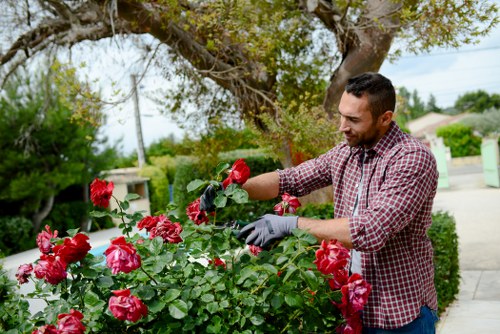
Hedges and lawns set the tone for most gardens, so they often deserve their own attention even when the rest of the space is also being maintained. Trimming hedges can improve shape, keep growth away from paths and boundaries, and help the garden look properly finished. Lawn mowing does more than shorten grass; it defines the main open areas and helps the whole garden appear cared for, especially when edges are cut cleanly at the same time.
Boundary control is also part of keeping a garden workable. Overhang onto paths, driveways and neighbouring spaces can make an area feel cramped, while uneven lawn edges can make a neat garden look untidy even when the rest is in good order. Our approach is practical: trim what needs shaping, mow to a suitable height, and avoid unnecessary disturbance to healthy growth. Hedge trimming and lawn mowing are often the two quickest ways to improve the appearance of an outdoor space.
When deciding what to include, it helps to separate cosmetic work from growth management. Some gardens only need a simple tidy to keep lines clear; others need thicker hedges reduced and lawns brought back to a manageable condition. A balanced visit can cover both. Good trimming and mowing make later maintenance easier as well, because the space becomes simpler to inspect, reach and maintain on the next visit.
Garden Clearance for Overgrown or Tired Spaces
Garden clearance is usually the right starting point when the space has become blocked by weeds, fallen material, dense growth or general accumulation. Rather than treating a clearance as a single blunt task, it is often better to break it down into areas: paths, beds, borders, lawn edges, sheds, access routes and any sections where growth has spread beyond control. That keeps the work efficient and makes it easier to decide what should be cut, lifted, removed or retained.
Clearance can also be useful before a garden is handed over, relaid or redesigned. Removing unwanted growth makes the layout easier to see and gives a clearer base for later work. In some cases, a site only needs a partial clearance to restore access and reveal the main structure again; in others, the overgrowth is enough to justify a more complete cut-back and removal of waste. Garden clearance is best thought of as a reset, not merely a tidy-up.
For a quotation, a brief outline of the size of the area and the type of material involved is usually enough to begin. If you are unsure whether the work is maintenance or clearance, describe what you can see now and what you want the garden to look like afterwards. We can then help you decide whether the job should focus on removal, reshaping or a combination of both. The clearer the starting point, the easier it is to match the work to the garden.
About Gipsy Hill
Gipsy Hill is a district in south London, known for its position on higher ground between Crystal Palace, West Norwood and Upper Norwood. The name is closely associated with the railway station and the surrounding residential streets that rise towards the crest of the hill. Much of the area’s character comes from its mix of late Victorian and Edwardian housing, interspersed with later infill and local commercial frontages, which gives the streets a varied but recognisable urban pattern. Nearby Crystal Palace Park and the broader ridge line help shape the sense of place, while the slope of the land affects how roads, footpaths and gardens sit within the neighbourhood. Historically, Gipsy Hill developed as part of the wider suburban growth that spread south of central London during the nineteenth and early twentieth centuries. The railway improved access and supported further building, turning what had been a more open edge of the city into a settled residential district. Today the area is linked to a network of local routes and transport connections that make it part of the everyday life of south London rather than a self-contained enclave. The streetscape includes a range of front gardens, tree-lined sections and terraces, with views opening and closing as the ground falls away. Community facilities, local shops and nearby green spaces contribute to its identity, while the surrounding neighbourhoods give it both convenience and a clear sense of being on the edge of the Norwood ridge.
When planning changes to an outdoor space, it helps to think about what the existing layout already offers. Some gardens are mainly long and narrow, while others have a deeper back section or a more open boundary line. The right plan depends on that structure, the current planting and how much control is needed over growth. Landscape gardening can be useful where the aim is to improve the overall shape as well as the planting, while smaller adjustments may only require careful pruning and tidying.
Landscape Gardening and Garden Design Improvements

Landscape gardening covers the broader improvements that shape how a garden looks and functions. That may involve altering levels, reshaping borders, creating defined zones, refreshing planting areas or changing how paths, seating and open ground relate to each other. It is suited to gardens where the current arrangement feels awkward, underused or inconsistent, and where a more deliberate layout would make the space easier to enjoy and maintain.
Good landscape work starts with the structure that is already there. A mature tree, a sloping lawn or an established boundary can all influence what is practical. Rather than trying to force a design into the space, it is better to work with the existing conditions and choose improvements that fit the site. Landscaping can include both practical changes and visual refinement, so the end result feels intentional rather than patched together.
Some customers want a complete redesign; others only need a better use of the available space. In either case, the work should be judged by how well it supports day-to-day use. A clear circulation route, sensible planting choices and tidy edges often matter more than decorative extras. We focus on making the garden easier to live with, while still improving the appearance and balance of the whole area.
Decking Services for Usable Outdoor Space
Decking can create a defined surface for seating, stepping, entertaining or linking different parts of a garden. It is especially useful where the ground is uneven, where a level transition is needed, or where a durable surface would make the area more comfortable to use. Decking services may involve new installation or replacement of an existing structure that has become worn, unstable or visually tired.
Choosing decking is often about function as much as appearance. A well-placed deck can help separate outdoor living space from planting, provide a cleaner route through the garden and add a strong visual frame to the surrounding areas. The size, finish and position should suit the available space and the way you plan to use it. Decking services are therefore best considered as part of the whole garden rather than as an isolated feature.
Where a deck is being added to an otherwise overgrown garden, it may make sense to complete some clearance first so that the final layout can be seen properly. If replacement is the goal, the condition of the existing boards, supports and surrounding ground will shape the work needed. Practical details matter here: access, fixings, levels and how water moves around the area all affect the finished result.
Tree Lopping and Removal
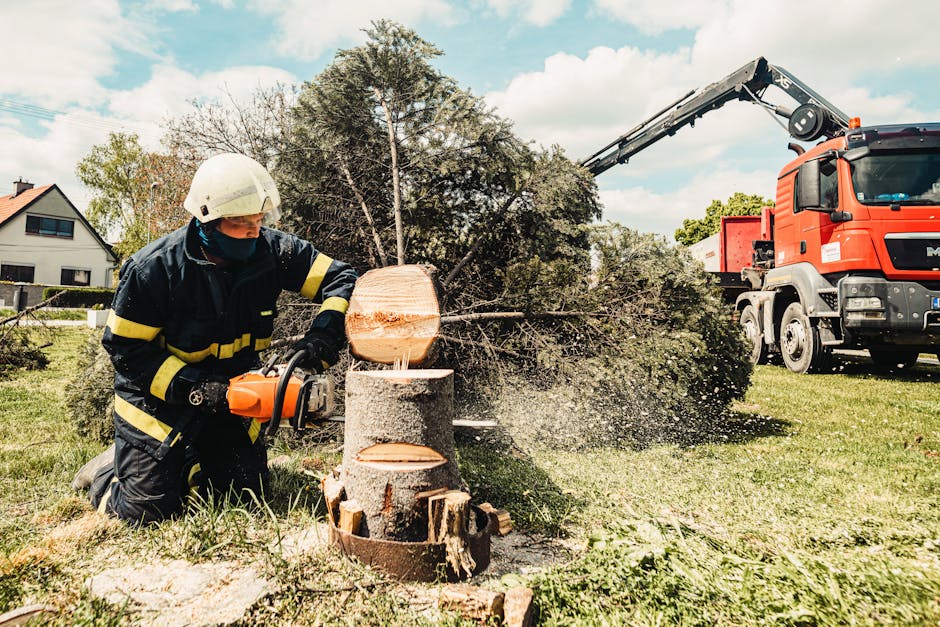
Tree lopping and removal require a careful, controlled approach because trees affect light, space, safety and the general balance of the garden. Some jobs involve reducing overextended growth, while others require full removal where a tree is unsuitable, damaged or no longer fits the site. The right response depends on the tree’s size, position and condition, along with the surrounding planting and structures.
Not every tree problem calls for removal. In some gardens, a thoughtful reduction can restore light and openness without losing the benefits of the tree itself. In others, a tree may be in the wrong place or causing too much disruption to boundaries, paths or nearby features. Tree lopping and removal should always be considered alongside the wider garden, because what happens above ground can change the rest of the space quite significantly.
If you are planning more than one type of work, it is often sensible to combine the tree decision with clearance or maintenance so the garden is left in a coherent state. A reduction or removal can reveal other issues that were hidden by cover, such as tangled borders or uneven growth nearby. That is why a joined-up approach often produces a better overall result than treating each part separately.
Quotations, Scope and Practical Planning

Clear quotations depend on a clear scope. For garden work, the useful details are usually the size of the area, the type of tasks needed and the general condition of the site. It also helps to note whether access is straightforward, whether waste will need to be removed, and whether the job is a one-off reset or part of a broader plan. These points allow the work to be matched to the garden without adding unnecessary assumptions.
If you are comparing different options, think about which tasks are essential and which are optional. A quote for maintenance may look very different from one for clearance or landscaping because each type of work involves different levels of time, equipment and handling. Pricing and quotes information can help frame that conversation, but the most useful starting point is still a plain description of the garden and the outcome you want.
When you are ready, ask for a quotation with a short outline of the work, and mention any access or timing points that may affect the job. If you have photographs, they can help show the current condition, but a written summary is also useful. Keep it simple: what needs doing, what is currently in place, and what level of finish would suit the space best.
Recycling, Waste and Responsible Garden Work
Garden projects often produce mixed waste: cuttings, branches, old borders, turf, soil, broken timbers and general debris. Handling this properly is part of doing the job well, because tidy removal helps leave the site usable rather than cluttered with what has just been cut back. Responsible waste handling also means separating reusable material where appropriate and considering how the garden will be left once the main work is done.
Not every job generates the same amount of material, and not every site needs the same approach. A small maintenance visit may only create light green waste, while a clearance or tree-related job can be considerably heavier. The practical question is how best to manage the waste in a way that suits the scale of the work. Recycling and sustainability gives a useful context for thinking about disposal and reuse in garden projects.
Where possible, it is sensible to plan waste handling at the same time as the work itself. That keeps the site clearer and avoids leaving piles behind for later. It also helps define the scope accurately, because removal is often a separate part of the job rather than an afterthought. A well-managed finish is not just about how the garden looks, but also about what has been taken away and how neatly the space is left.
Choosing the Right Service for Your Garden

Different gardens need different levels of intervention, so the best starting point is to identify the main issue. If the space is generally tidy but needs regular upkeep, maintenance or mowing may be enough. If growth has become dense or access is limited, clearance may be the better first step. If you want a stronger visual change, landscaping or landscape gardening may be more suitable. And if the structure itself needs help, decking or tree work may be part of the answer.
A sensible decision usually comes down to the current condition of the garden, the time available to improve it and the result you want to achieve. Some customers prefer one careful visit to reset the space, followed by lighter maintenance. Others want a more substantial transformation that changes the way the whole garden is used. Services overview is a helpful place to compare those options before deciding what to include.
To move forward, send a short outline of the area, the work you want completed and any points that may affect access or scheduling. Then we can help shape the right scope and prepare a quotation. Contact us when you are ready and we will take it from there.